On April 10th, I finally gave my first talk at a tech conference. Together with my friend and colleague, Suraj Giri, we delivered a talk about transitioning into generalist software engineers from an Android background.
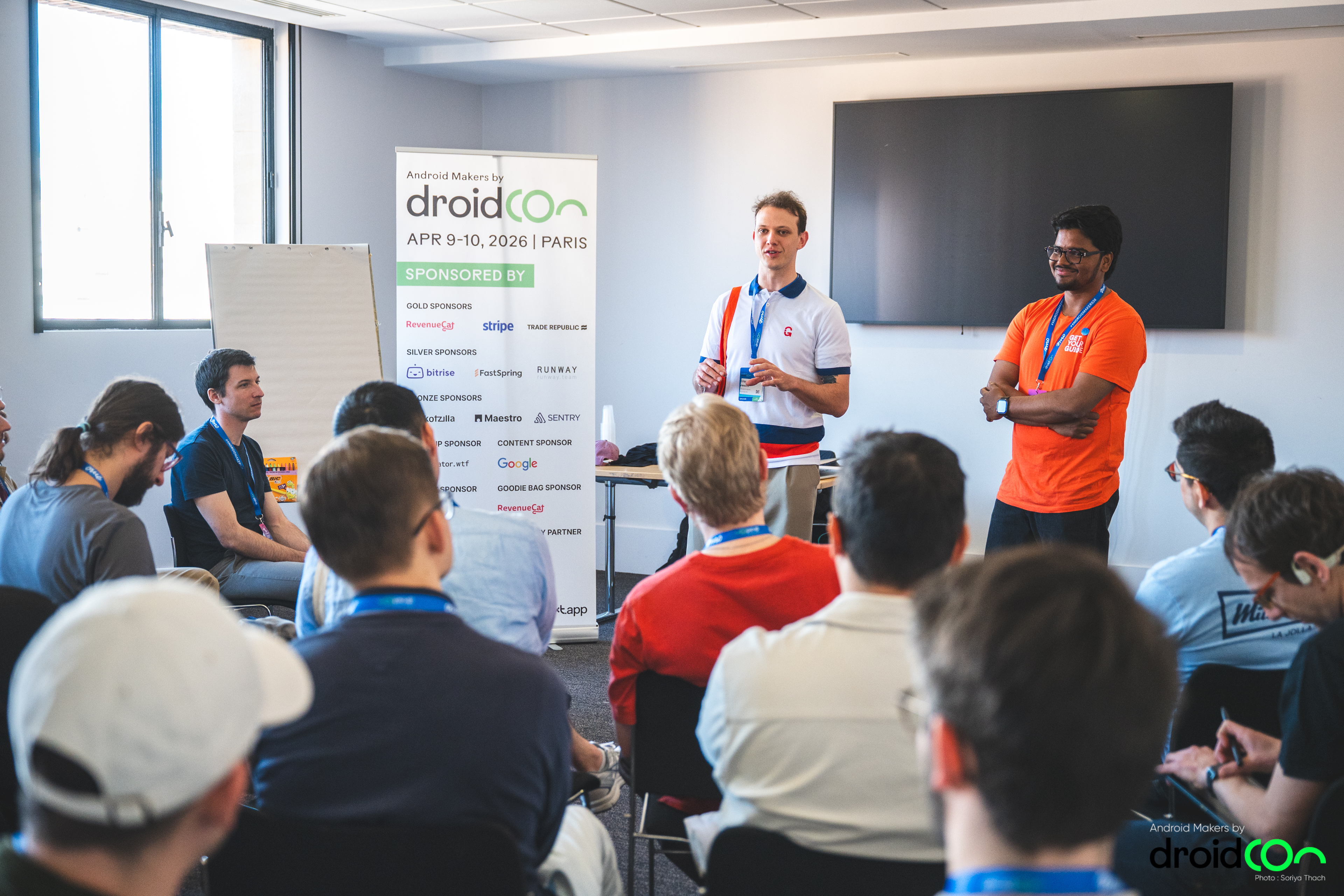
The idea for the topic came from our shared experience at GetYourGuide. We both joined the company at a time when the tech stack was already quite mature. The business has been running since 2009, and it is now the world-leading company for booking travel experiences.
When I first joined GYG in March 2025, I was a bit skeptical about transitioning into a generalist approach. I was afraid of losing my technical expertise in the Android domain, which could compromise my future if I wanted to keep pursuing that path. But then Claude Code arrived, and AI agents changed the way we code. Suddenly, it didn’t matter as much to know the exact syntax of a Kotlin function, and it became easier to jump into other domains.
This led us to question the way we work, and I wanted to know whether this trend was impacting other companies as well.
In Paris, we had the chance to ask a bunch of questions and lead the discussion about this topic without having to come with all the answers. It was interesting to learn that not every company is embracing this culture, but that every developer recognizes that it is crucial right now to be strong across multiple technologies.
This point was also emphasized by Akshay Chordiya in his opening keynote, where he mentioned that future Android engineers should shift their mindset and simply embrace the word “Engineer”.
The talk we gave took the form of a roundtable session. We had a full room with more than 30 attendees, and it was not filmed so participants could feel free to speak. Here are the main points we discussed.
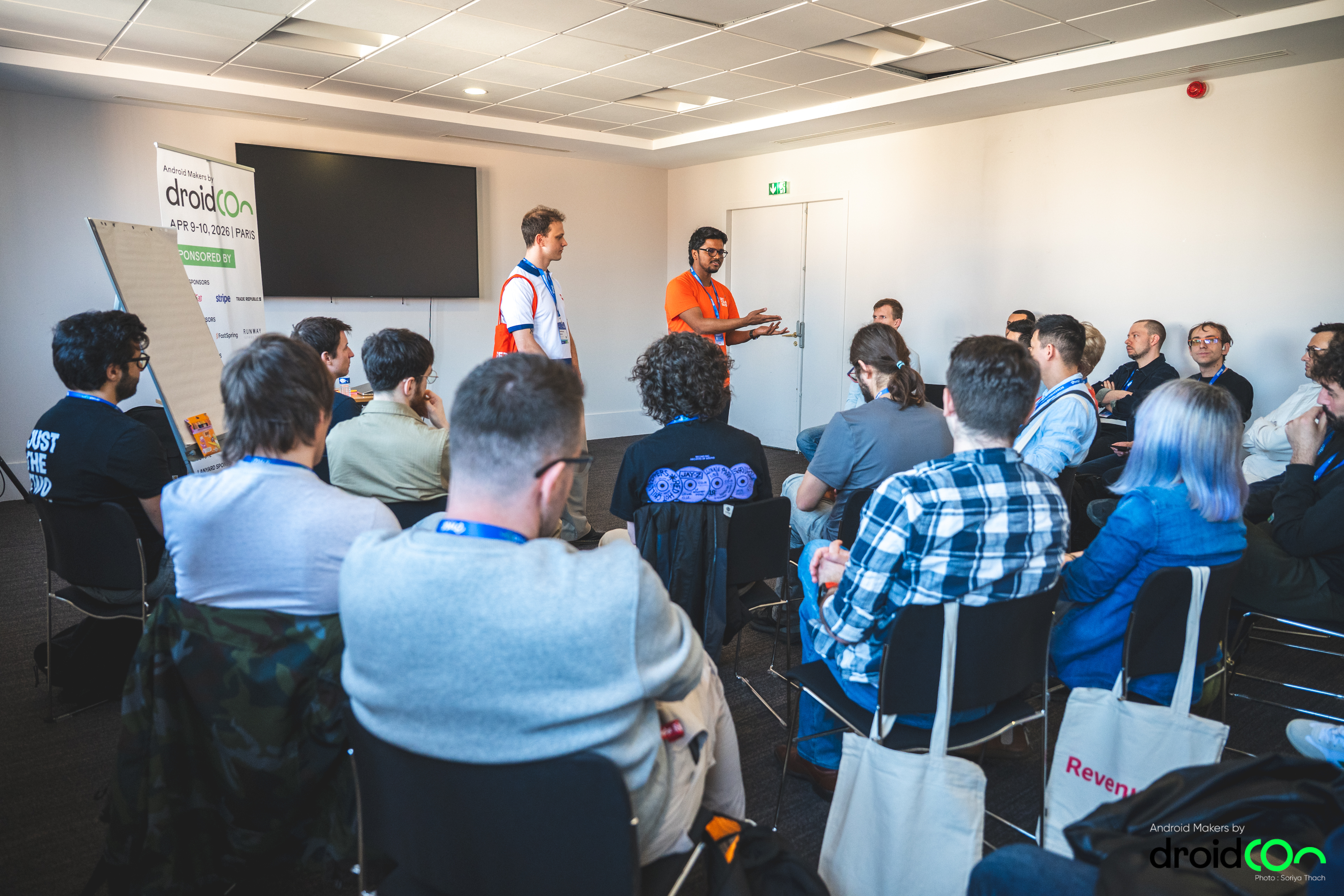
What is stopping you from trying out new technologies outside of Android?
Is your company embracing this culture shift?
We heard great stories from people who tried to cross the stack in their free time, and from others who started filling gaps in their companies. It gave us confidence that this is a widely discussed topic.
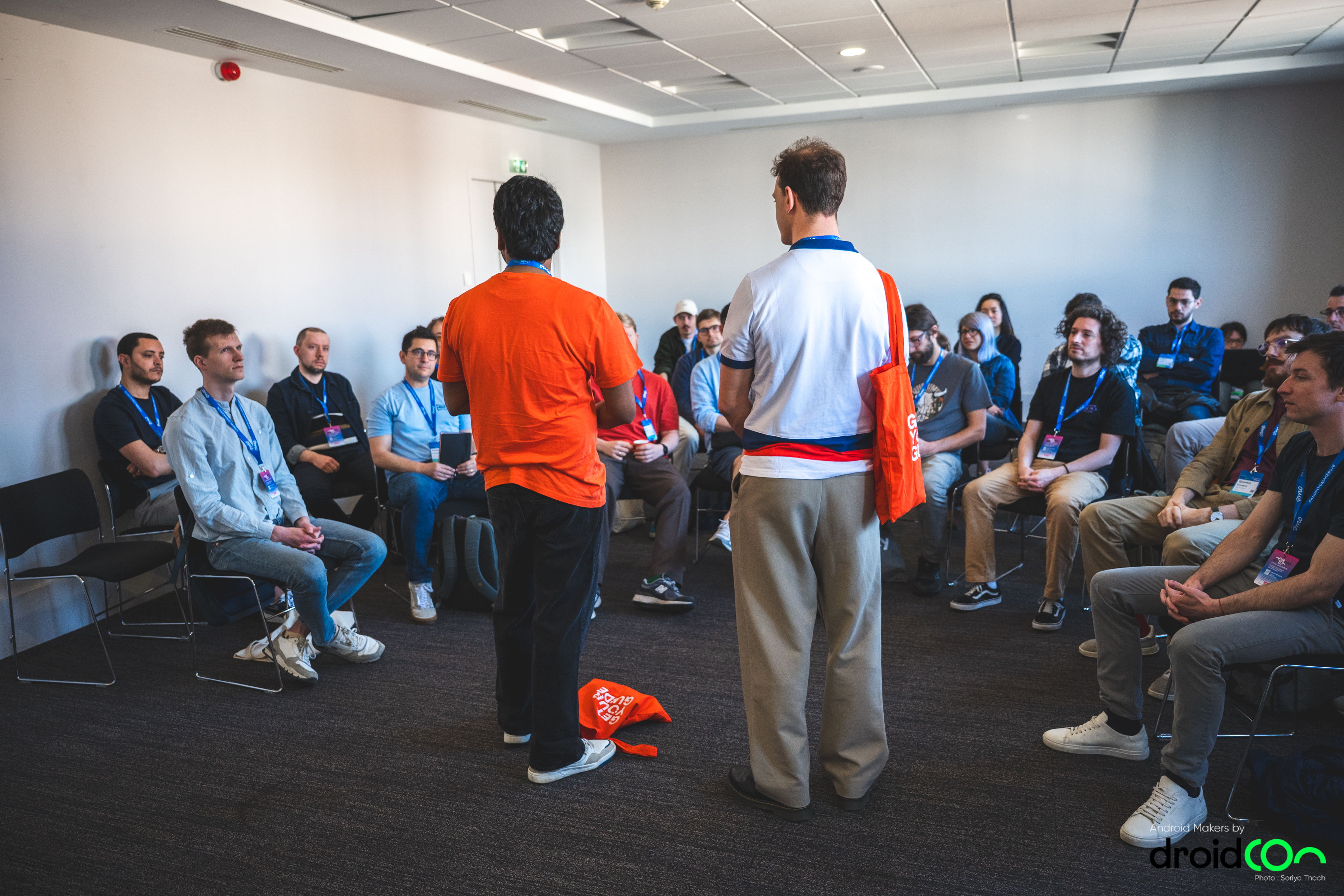
Of course, there are still tasks such as handling offline capabilities, sensors, or Bluetooth connections that require deep Android knowledge. But overall, the use cases for these applications are getting narrower, and over time, specialists will likely be less in demand.
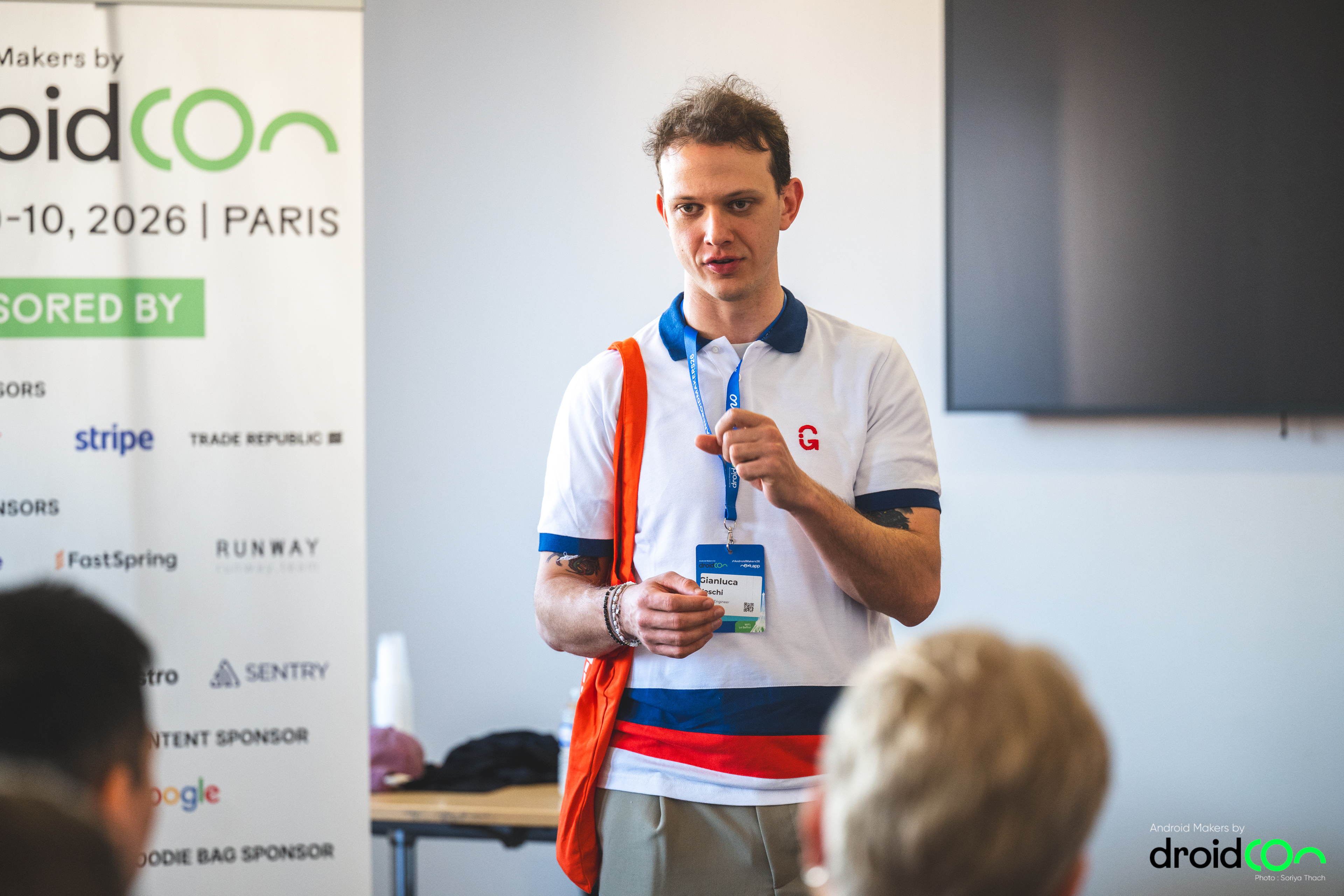
Another topic that came up was evaluation. What happens if my manager and the rest of the company suddenly evaluate me as a full-stack developer when I have been working in Android for most of my career? This is a very valid and personal question that we cannot answer fully, but it is clearly a real concern. So far, we have found an engaging culture at GetYourGuide where this spirit is embraced, and a software engineer’s output is also validated by their ability to take a step back and learn a new technology. But not every company can afford to operate this way.
Overall, the full-stack software engineer has traditionally been a role mostly associated with web developers, who already knew JavaScript for the frontend and could, by extension, jump into backend frameworks such as Node.js. But with the adoption of cross-stack technologies such as React Native and KMP, this need is shifting to mobile developers as well, and I have no doubts that we will see more and more mobile developers move into a full-stack path soon.